


ABCC8 - ATP-binding cassette sub-family C member 8
Order number: 70562
On Request
Ready to ship today
Description
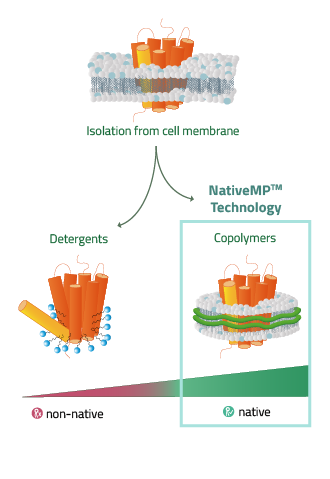
We are excited to introduce our off-the-shelf, full-length, active, and native ATP-binding cassete sub-family C member 8, commonly known as ABCC8. This protein is a regulatory subunit of the ATP-sensitive potassium channel in pancreatic beta cells, which results in the crucial role of ABCC8 in the release of insulin. Genetic changes of ABCC8 have been linked to various health conditions, including different forms of diabetes. This has led to ABCC8 becoming a target for antidiabetic drugs. Our ABCC8 protein has been solubilized and stabilized using our NativeMP™ platform, ensuring it retains its native structure and full biological activity, making it ideal for various research applications.
Applications:
- Screening/Validation
- Biologics Development
- Structure Determination
- Small Molecule Drug Development
The protein delivered can be used for these specific applications. When ordering, please indicate which applications you intend to use the protein for in the contact form to ensure the best results.
For more details, explore our solubilization database.
Datasheets
Upon ordering, you will receive the corresponding datasheets and the Certificate of Analysis (CoA).
| Feature | |
|---|---|
| Alternative names | Sulfonylurea receptor 1, ABCC8, HRINS, SUR, SUR1 |
| UniProt Number | Q09428 |
| Protein class | ABC transporter |
| Original host | Homo sapiens |
| Expression system | HEK293 |
| Sequence, One-Letter Code | MPLAFCGSENHSAAYRVDQGVLNNGCFVDALNVVPHVFLLFITFPILFIGWGSQSSKVHIHHSTWLHFPGHNLRWILTFMLLFVLVCEIAEGILSDGVTESHHLHLYMPAGMAFMAAVTSVVYYHNIETSNFPKLLIALLVYWTLAFITKTIKFVKFLDHAIGFSQLRFCLTGLLVILYGMLLLVEVNVIRVRRYIFFKTPREVKPPEDLQDLGVRFLQPFVNLLSKGTYWWMNAFIKTAHKKPIDLRAIGKLPIAMRALTNYQRLCEAFDAQVRKDIQGTQGARAIWQALSHAFGRRLVLSSTFRILADLLGFAGPLCIFGIVDHLGKENDVFQPKTQFLGVYFVSSQEFLANAYVLAVLLFLALLLQRTFLQASYYVAIETGINLRGAIQTKIYNKIMHLSTSNLSMGEMTAGQICNLVAIDTNQLMWFFFLCPNLWAMPVQIIVGVILLYYILGVSALIGAAVIILLAPVQYFVATKLSQAQRSTLEYSNERLKQTNEMLRGIKLLKLYAWENIFRTRVETTRRKEMTSLRAFAIYTSISIFMNTAIPIAAVLITFVGHVSFFKEADFSPSVAFASLSLFHILVTPLFLLSSVVRSTVKALVSVQKLSEFLSSAEIREEQCAPHEPTPQGPASKYQAVPLRVVNRKRPAREDCRGLTGPLQSLVPSADGDADNCCVQIMGGYFTWTPDGIPTLSNITIRIPRGQLTMIVGQVGCGKSSLLLAALGEMQKVSGAVFWSSLPDSEIGEDPSPERETATDLDIRKRGPVAYASQKPWLLNATVEENIIFESPFNKQRYKMVIEACSLQPDIDILPHGDQTQIGERGINLSGGQRQRISVARALYQHANVVFLDDPFSALDIHLSDHLMQAGILELLRDDKRTVVLVTHKLQYLPHADWIIAMKDGTIQREGTLKDFQRSECQLFEHWKTLMNRQDQELEKETVTERKATEPPQGLSRAMSSRDGLLQDEEEEEEEAAESEEDDNLSSMLHQRAEIPWRACAKYLSSAGILLLSLLVFSQLLKHMVLVAIDYWLAKWTDSALTLTPAARNCSLSQECTLDQTVYAMVFTVLCSLGIVLCLVTSVTVEWTGLKVAKRLHRSLLNRIILAPMRFFETTPLGSILNRFSSDCNTIDQHIPSTLECLSRSTLLCVSALAVISYVTPVFLVALLPLAIVCYFIQKYFRVASRDLQQLDDTTQLPLLSHFAETVEGLTTIRAFRYEARFQQKLLEYTDSNNIASLFLTAANRWLEVRMEYIGACVVLIAAVTSISNSLHRELSAGLVGLGLTYALMVSNYLNWMVRNLADMELQLGAVKRIHGLLKTEAESYEGLLAPSLIPKNWPDQGKIQIQNLSVRYDSSLKPVLKHVNALIAPGQKIGICGRTGSGKSSFSLAFFRMVDTFEGHIIIDGIDIAKLPLHTLRSRLSIILQDPVLFSGTIRFNLDPERKCSDSTLWEALEIAQLKLVVKALPGGLDAIITEGGENFSQGQRQLFCLARAFVRKTSIFIMDEATASIDMATENILQKVVMTAFADRTVVTIAHRVHTILSADLVIVLKRGAILEFDKPEKLLSRKDSVFASFVRADKGSSGTETSQVAPA |
| Affinity tags | Rho1D4-tag (C-terminal) |
| Size (excluding additional elements) | 1581 amino acids, 177 kDa |
| Concentration | 0.4 - 0.7 mg/ml |
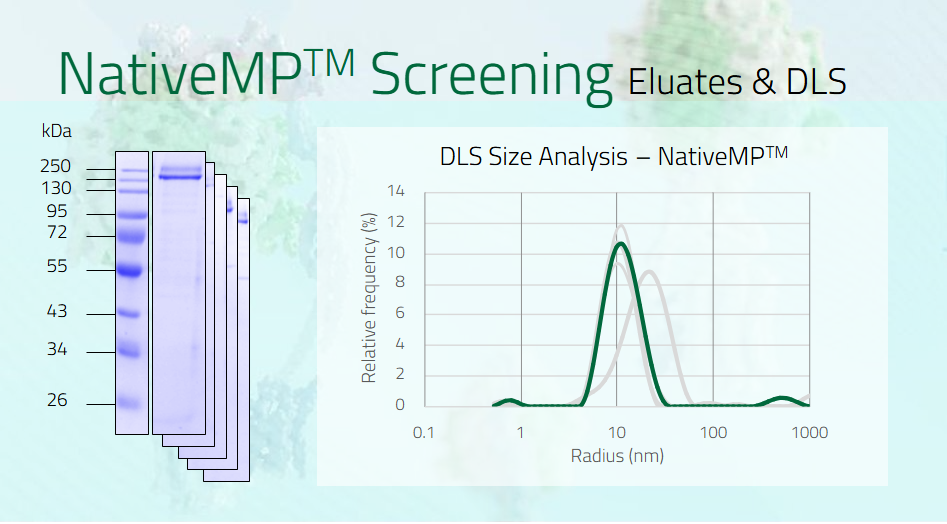
| Purity | >90%, determined via SDS-PAGE |
| Purification process | 2-step purification |
| Shipping | Shipment is carried out on dry-ice for temperature stability to ensure the integrity of the product. |
| Function | ATP-binding cassete sub-family C member 8 is a regulatory subunit of the ATP-sensitive potassium channel in pancreatic beta cells, which results in the crucial role of ABCC8 in the release of insulin. Genetic changes of ABCC8 have been linked to various health conditions, including different forms of diabetes. This has led to ABCC8 becoming a target for antidiabetic drugs. |
| PubMed ID | 21671119, 16554811, 7716548, 10506167, 29286281, 34815345, 10338089, 8751851 |
 Powered by Bioz