



NativeMP™ Technology
Solving the Membrane Protein Puzzle
NativeMP™Technology: Unlock the untapped potential of membrane proteins
We believe in the untapped potential of membrane proteins in drug discovery. Despite 60% of FDA-approved drugs targeting these proteins, less than 2% have been structurally characterized. This gap shows the need for innovation in identifying new drug targets.
To bridge the gap we developed the NativeMP™ technology—a groundbreaking tool that accelerates and enhances the study of membrane proteins.
With the NativeMP™ technology, you can keep membrane proteins stable in their natural lipid environment using advanced copolymers. This ensures that the proteins remain active, allowing you to stabilize potential drug targets in under three months. By dramatically reducing traditional R&D timelines, we empower you to move faster and more efficiently toward groundbreaking discoveries.

Compare the technologies
Features |
NativeMP™ Technology |
Detergents |
|---|---|---|
| Environment | Native lipid-protein encased in copolymer | Detergent micelle |
| Sample preparation | Room temperature & up to 37°C | 4°C |
| Buffer preparation | Required only once | Various, required at different stabilization steps |
| Protein functionalization | Unaltered protein, functionalization with biotin or fluorescence directly on the copolymer belt | Protein-alteration needed before labeling |
| Stability duration | Days to weeks | Short half time life maxima, few days |
| Assay compatibility | Yeast display, phage display & ELISA | Interference due to micelles |
Success Stories: NativeMP™ allows research on previously unreachable targets
NativeMP™ copolymers solubilize membrane proteins in their natural lipid environment,
allowing us to stabilize KCNA3 in just 2 months—saving years of research time. In addition, stabilizing a membrane protein in a native lipid environment can open new doors. This is how we were able to find 2 previously undiscovered antibodies against the ion channel P2X4 and to stabilize the GLP1R wild type, which had never been achieved before. And these are just a few examples of our success stories.
STRUCTURE GALLERY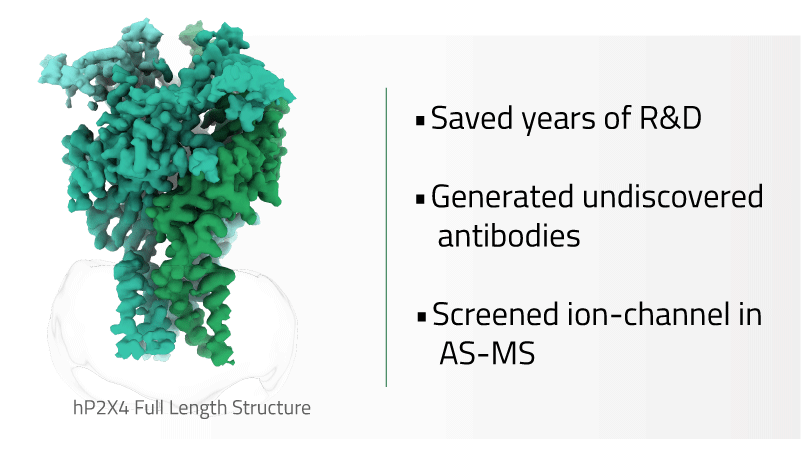

Sebastian Lühn
Partnership Manager at Cube Biotech
sebastian.luehn@cube-biotech.com
+49-2173-99373-16

Antony SK Yerabham, PhD
Partnership Manager at Cube Biotech
antony.yerabham@cube-biotech.com
+1(484)928-7803
Lipids are Vital: The key to understanding membrane protein complexity
Why are membrane proteins so hard to study?
The answer lies in the complexity of lipids. Membrane proteins are notoriously difficult to work with due to their unique amphipathic nature —combining hydrophilic and hydrophobic regions, large size and conformational flexibility. Conventional methods using detergents have had success, but they’re time-consuming and complex. For example, it took over 15 years to solve the structure of KCNA3 (Kv1.3; Selvakumar et al., 2022).
What are conventional techniques missing? The native cell lipid environment.
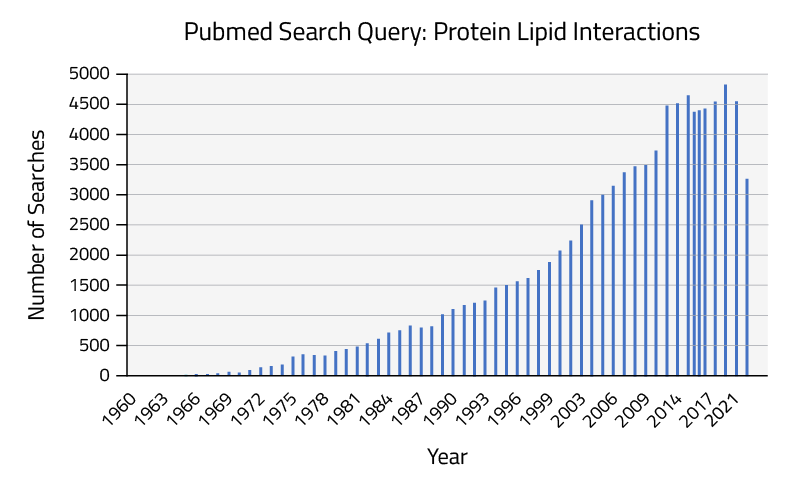
Over 100,000 studies describe lipid-protein interactions. It has been proven time and time again that the lipid environment is essential for keeping membrane proteins stable and functional. However, detergents often strip away these native lipids, forcing proteins into an artificial surrounding where they struggle to remain stable. But there’s a faster and more accurate way.
Hear about the importance of lipid-protein interactions by experts in the field
“There have been many different structures of MscS since the original crystal. And the really remarkable thing is the dramatic transmembrane helical rearrangement when comparing the structure solved in pure detergent to anything that introduces a full-length lipid.” - Elissa Moller
Screening is key: Finding the right copolymer for every target
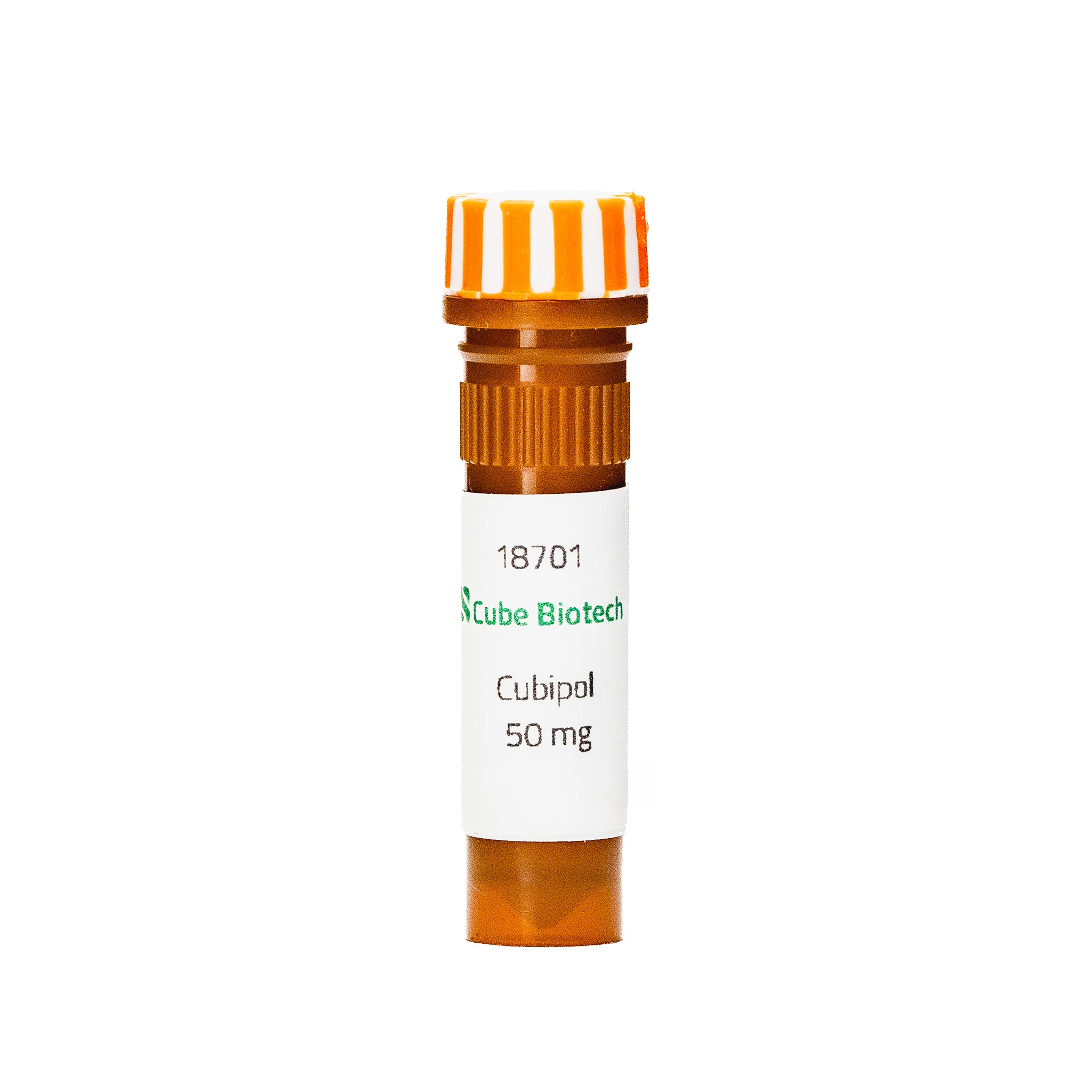
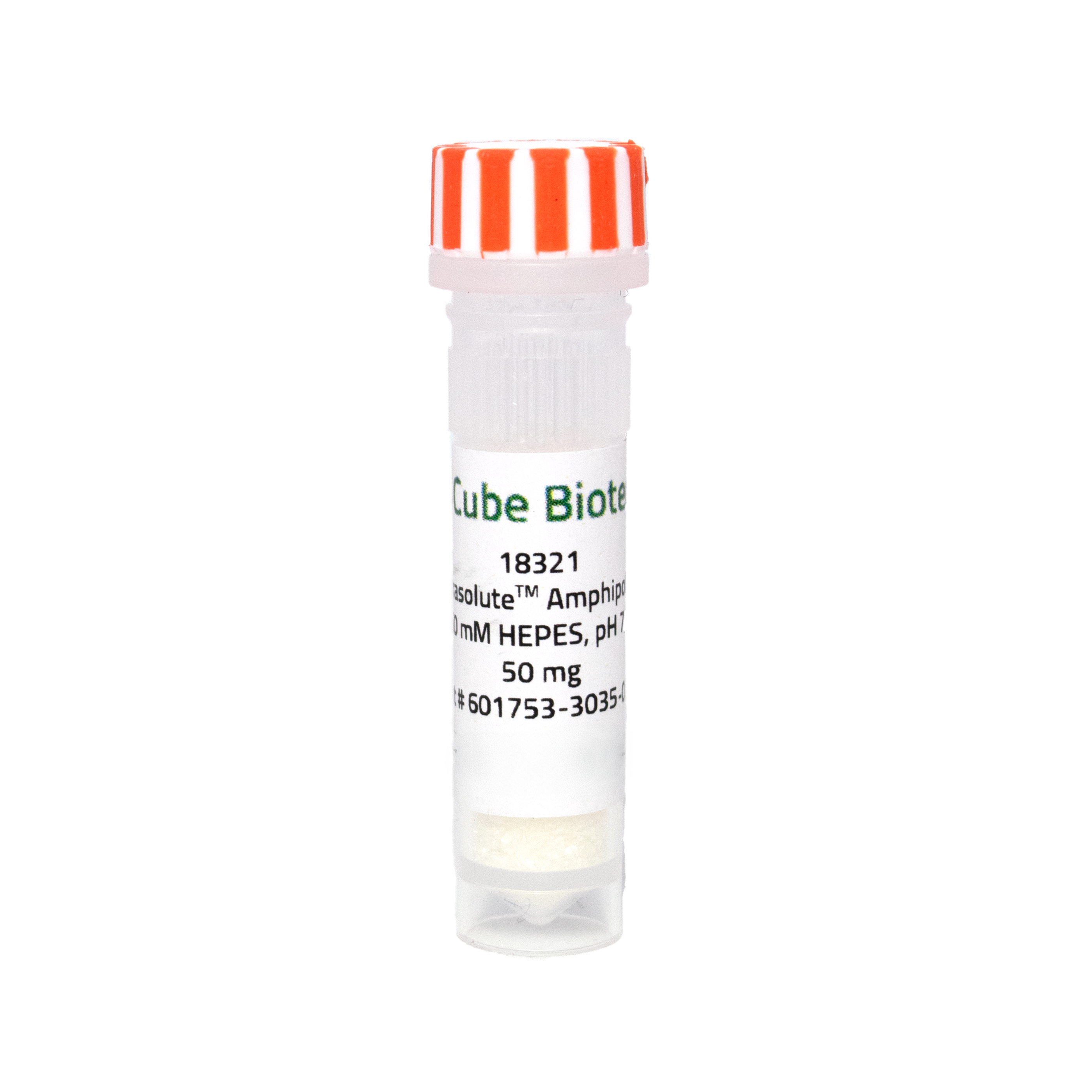
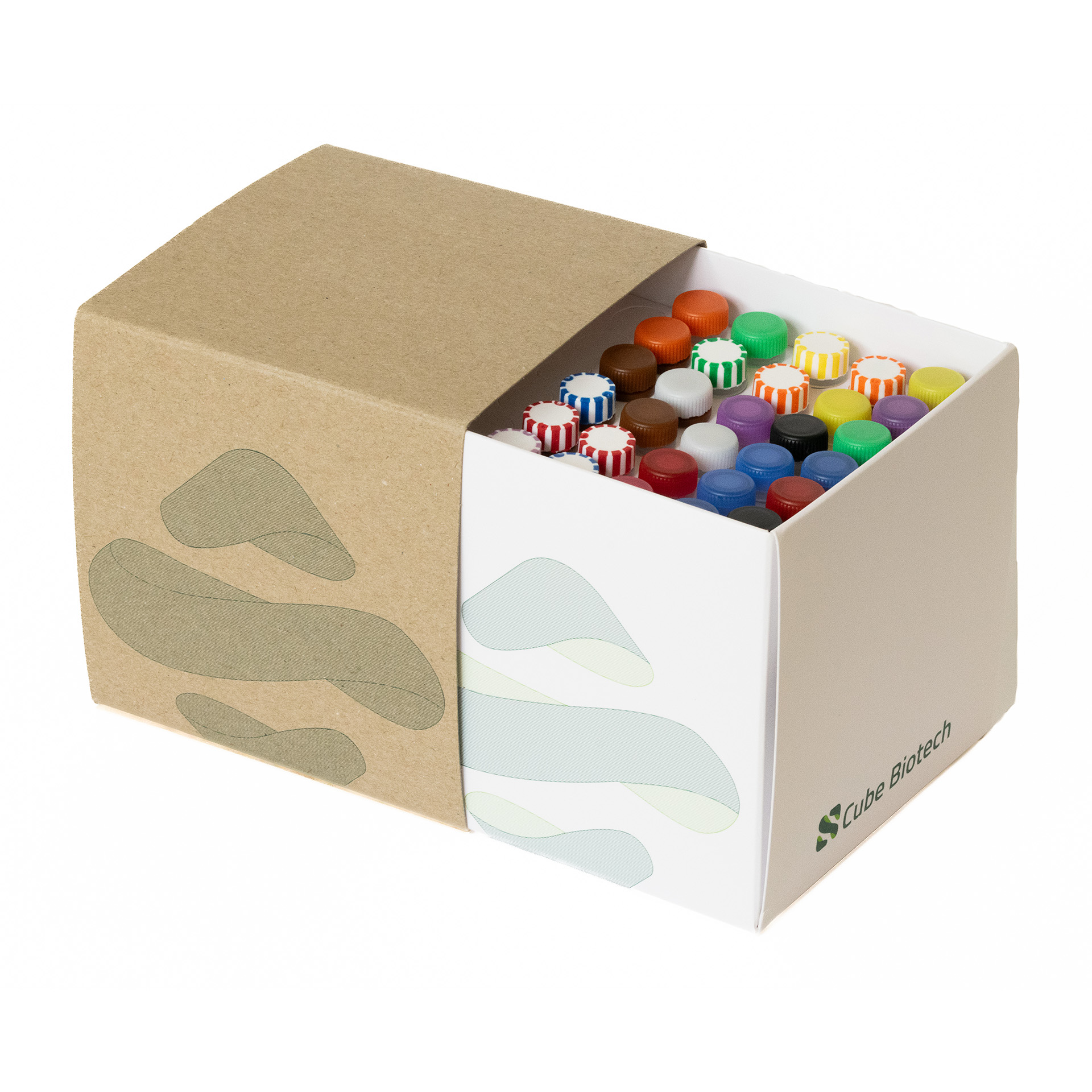
Each target is unique, which is why screening is just as important for advanced copolymers as it is for detergents. Our NativeMP™ Platform offers a selection of over 30 copolymer belts, ensuring that you’ll find the right copolymer to meet the specific needs of your target and downstream applications. Included are classic copolymer (CC) backbones like SMA and DIBMA, as well as the next generation copolymers (NGC) AASTY, Ultrasolute™ Amphipol, and Cubipol.
Benefits:
- Convenient Process: Copolymers allow for a single step solubilization and stabilization directly from the cell.
- Temperature Stability: Experiments can be carried out at room temperature and up to 37°C.
- Optimized Stabilization: Preserves the native lipid environment of the membrane protein, retaining its functional stability and avoiding disintegration even of large membrane protein complexes.
- Faster Process: NativeMP™ Technology is 100% detergent-free. Forget about preparing different buffers and constantly having to add detergents to your solution. With copolymers, you avoid that and save valuable lab time.
- Application compatibility: Our copolymer technology is compatible with many sensitive downstream applications like immobilization via SPR, ELISA, display technologies and more.
NativeMP™ Copolymer Screening
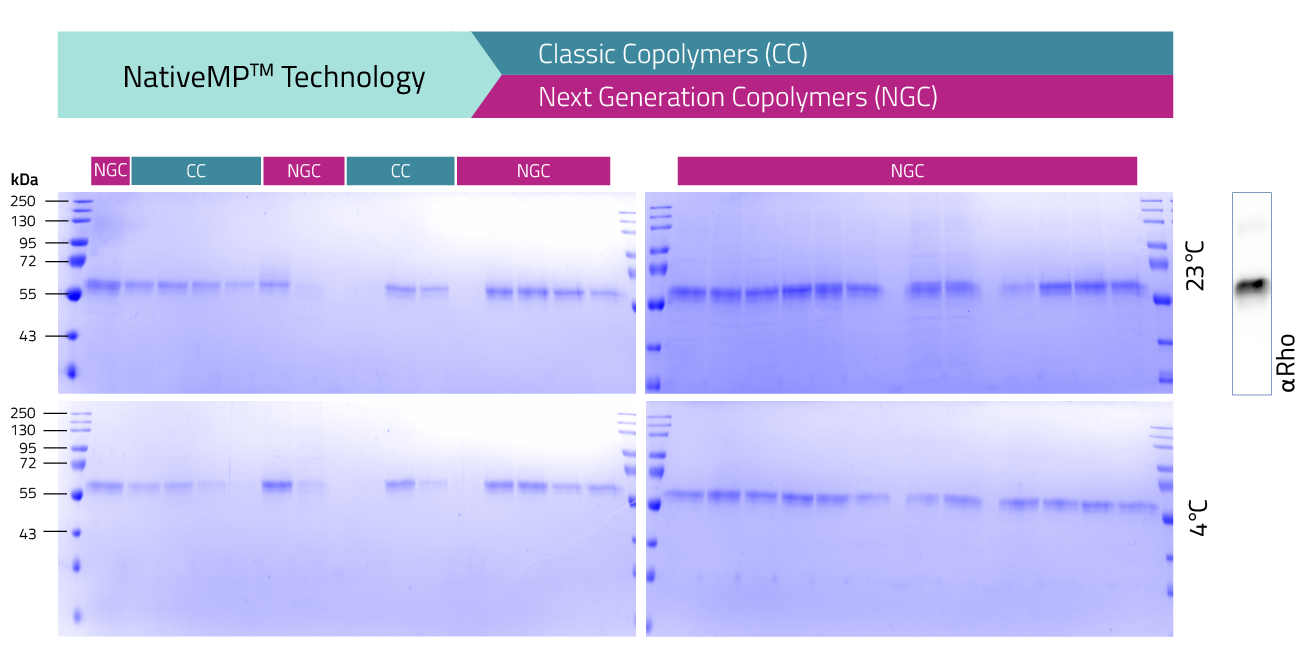
Fig. 1: Screening of an ion channel at 4°C and 23°C with NativeMP copolymers.Protein of was purified at 4°C/23°C from solubilizate via Rho-MagBeads, eluates were analyzed via SDS-Page and Western Blot. Working at 23°C significantly boosts the elution quantity (up to 200%) compared to 4°C.
Applications: Compatibility with NativeMP™ Technology
With the NativeMP™ Technology it's possible to solubilize and stabilize membrane proteins of all sizes and from all membranes of any organism. By stabilizing membrane proteins directly within the native lipid layer of the host cell, the technology allows for more accurate and reliable experimental outcomes. Its compatibility with a variety of applications makes it a valuable asset in drug discovery, biologics development, and structural biology.
Screening/Validation:
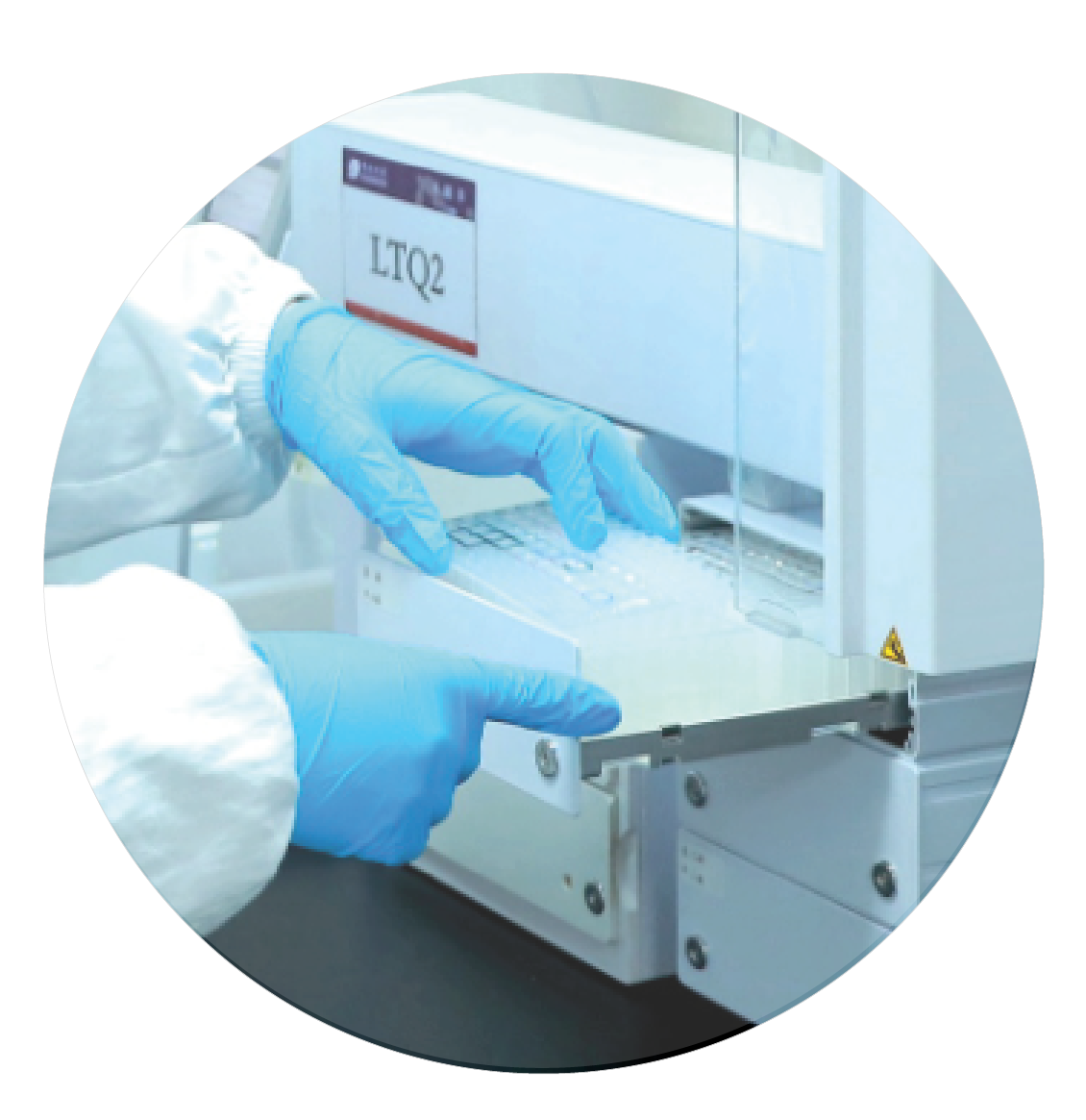
Stabilized proteins support reliable screening assays by preserving the native state of membrane proteins without interfering with common experimental approaches.
Structure Determination:
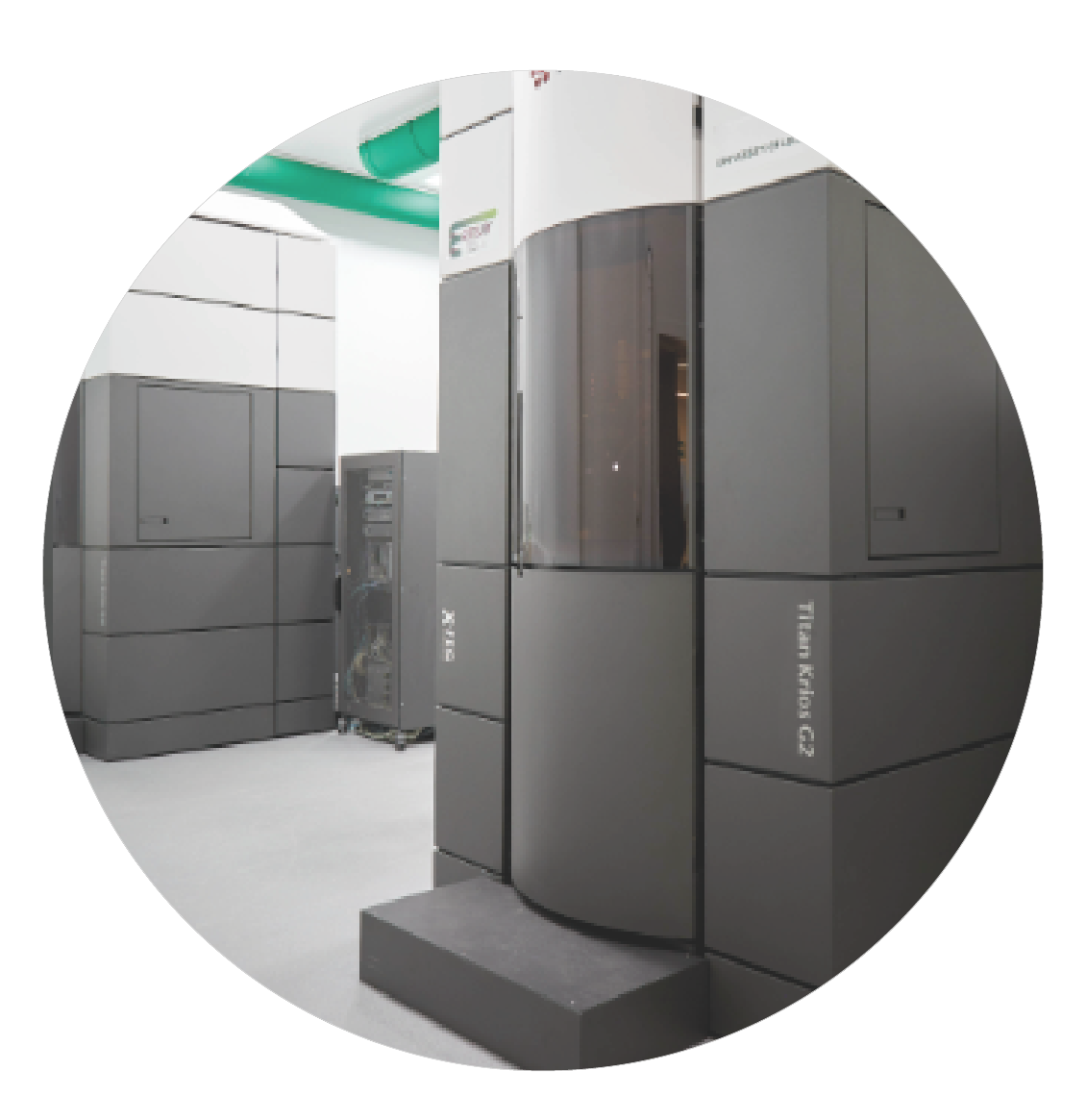
Enables high-resolution structural studies by maintaining membrane proteins in their native environment, crucial for drug design and functional understanding.
Small Molecule Drug Development:
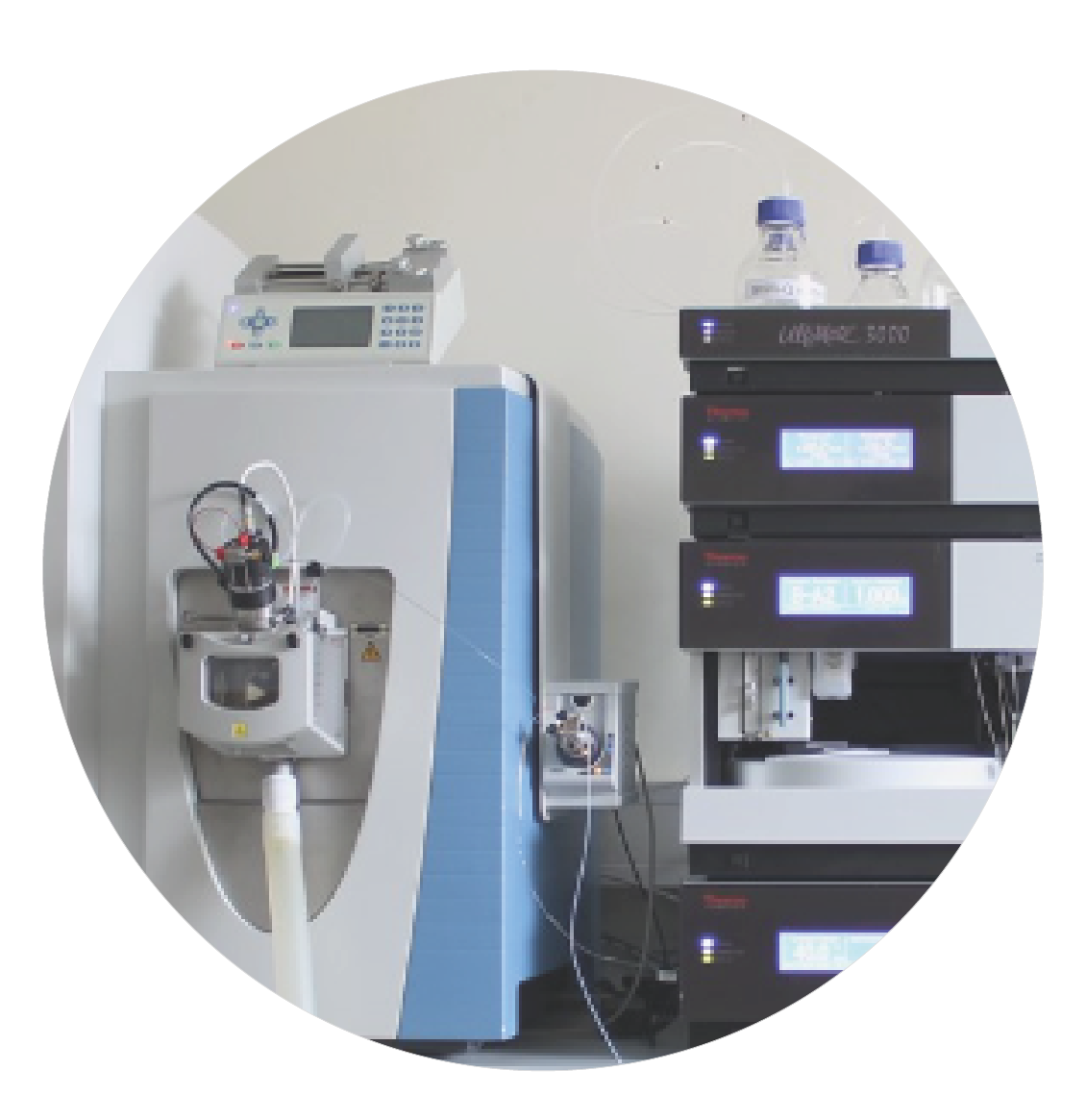
Ensures membrane protein functionality and accessibility, essential for effective small molecule screening and drug discovery.
Biologics Development:
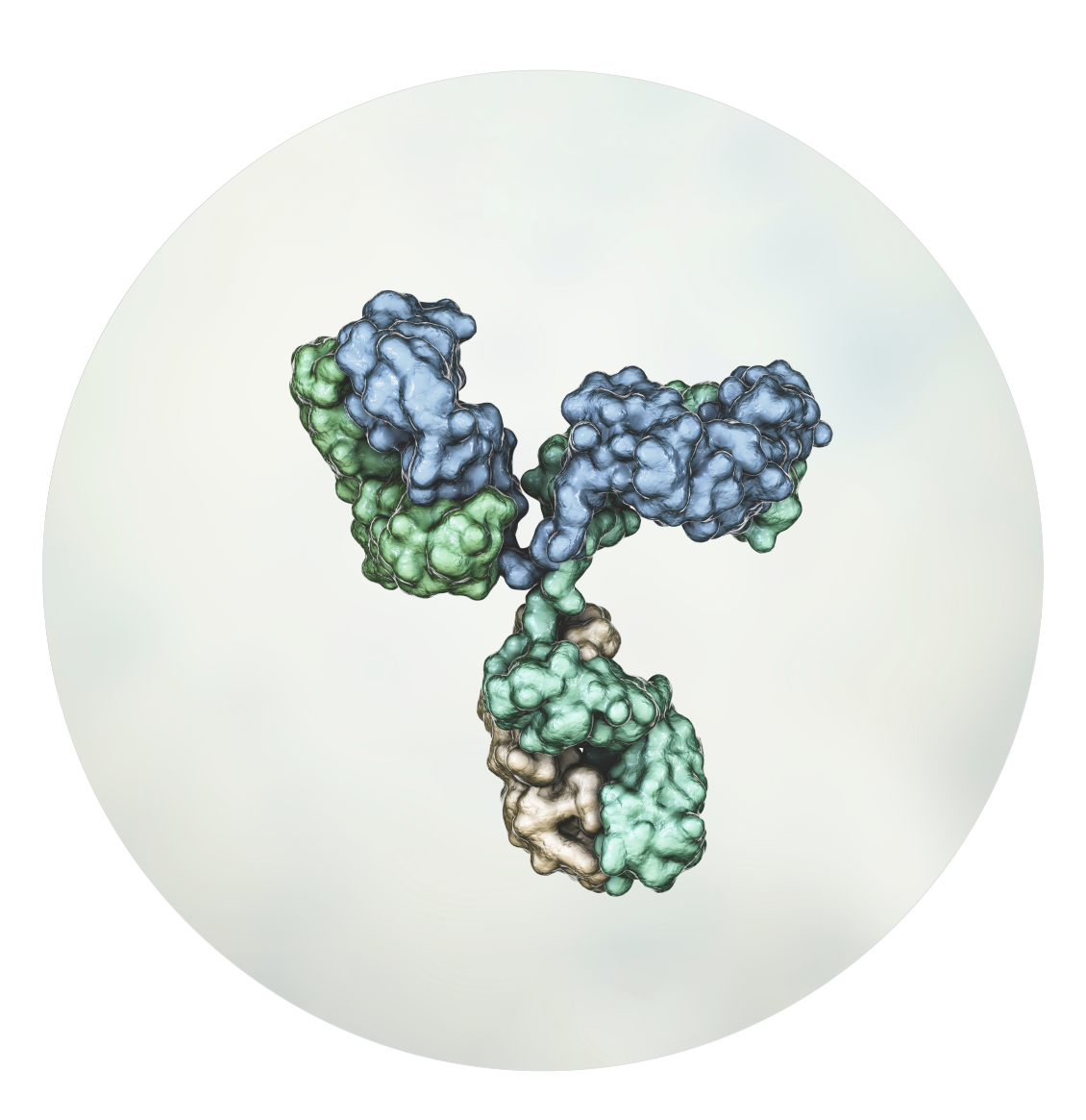
Preserves membrane protein integrity, which is critical for antibody development and screening in biologics research.
 |
 |
 |
 |
Screening / |
Structure |
Biologics |
Small Mollecule |
|---|---|---|---|
| MST | Cryo-EM High & low resolution |
Antibodies & fragments | AS-MS |
| SPR / BLI | X-ray crystallography | In vivo & In vitro screens | DEL Screening |
Sebastian Lühn
Partnership Manager at Cube Biotech
sebastian.luehn@cube-biotech.com
+49-2173-99373-16
Antony SK Yerabham, PhD
Partnership Manager at Cube Biotech
antony.yerabham@cube-biotech.com
+1(484)928-7803
