


TRPC1 - Short transient receptor potential channel 1
Order number: 70131
Description
Introducing our off-the-shelf, full-length, active, and native Short Transient Receptor Potential Channel 1 Protein, also known as TRPC1. This essential membrane protein is associated with colorectal cancer, mutations are linked to the development of type 2 diabetes mellitus, and reduced expression leads to cell proliferation of hepatocellular carcinomas.
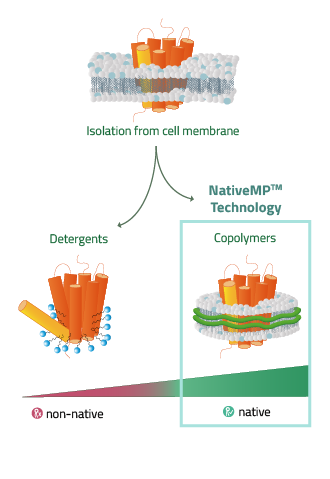
Our TRPC1 protein is solubilized and stabilized using our innovative NativeMP™ platform. This ensures that the protein retains its native structure and full biological activity, making it ideal for research applications in cancer research and drug development.
Applications:
- Screening/Validation
- Biologics Development
- Structure Determination
- Small Molecule Drug Development
The protein delivered can be used for these specific applications. When ordering, please indicate which applications you intend to use the protein for in the contact form to ensure the best results.
For more details, explore our solubilization database.
Datasheets
Upon ordering, you will receive the corresponding datasheets and the Certificate of Analysis (CoA).
| Feature | |
|---|---|
| Alternative names | TRPC1, TRP1 |
| UniProt Number | P48995 |
| Protein class | Ion channel |
| Original host | Homo sapiens |
| Expression system | HEK293 |
| Sequence, One-Letter Code | MMAALYPSTDLSGASSSSLPSSPSSSSPNEVMALKDVREVKEENTLNEKLFLLACDKGDYYMVKKILEENSSGDLNINCVDVLGRNAVTITIENENLDILQLLLDYGCQSADALLVAIDSEVVGAVDILLNHRPKRSSRPTIVKLMERIQNPEYSTTMDVAPVILAAHRNNYEILTMLLKQDVSLPKPHAVGCECTLCSAKNKKDSLRHSRFRLDIYRCLASPALIMLTEEDPILRAFELSADLKELSLVEVEFRNDYEELARQCKMFAKDLLAQARNSRELEVILNHTSSDEPLDKRGLLEERMNLSRLKLAIKYNQKEFVSQSNCQQFLNTVWFGQMSGYRRKPTCKKIMTVLTVGIFWPVLSLCYLIAPKSQFGRIIHTPFMKFIIHGASYFTFLLLLNLYSLVYNEDKKNTMGPALERIDYLLILWIIGMIWSDIKRLWYEGLEDFLEESRNQLSFVMNSLYLATFALKVVAHNKFHDFADRKDWDAFHPTLVAEGLFAFANVLSYLRLFFMYTTSSILGPLQISMGQMLQDFGKFLGMFLLVLFSFTIGLTQLYDKGYTSKEQKDCVGIFCEQQSNDTFHSFIGTCFALFWYIFSLAHVAIFVTRFSYGEELQSFVGAVIVGTYNVVVVIVLTKLLVAMLHKSFQLIANHEDKEWKFARAKLWLSYFDDKCTLPPPFNIIPSPKTICYMISSLSKWICSHTSKGKVKRQNSLKEWRNLKQKRDENYQKVMCCLVHRYLTSMRQKMQSTDQATVENLNELRQDLSKFRNEIRDLLGFRTSKYAMFYPRNGSSGTETSQVAPA |
| Affinity tags | Rho1D4-tag (C-terminal) |
| Size (excluding additional elements) | 806 amino acids, 92 kDa |
| Concentration | 0.4 - 0.7 mg/ml (forms Tetramers) |
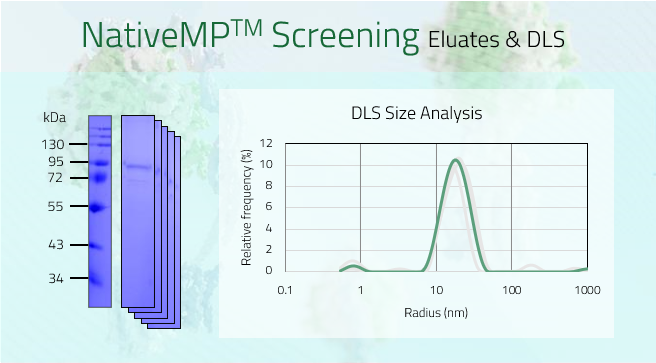
| Purity | >90%, determined via SDS-PAGE |
| Purification process | 2-step purification |
| Shipping | Shipment is carried out on dry-ice for temperature stability to ensure the integrity of the product. |
| Function | Thought to form a receptor-activated non-selective calcium permeant cation channel. Probably is operated by a phosphatidylinositol second messenger system activated by receptor tyrosine kinases or G-protein coupled receptors. Seems to be also activated by intracellular calcium store depletion. |
| PubMed ID | 7589464, 7568191, 8663995, 15489334, 9215637, 10766822, 11139478, 12032305, 15016832, 15757897, 17850865, 19945390, 38277724 |
 Powered by Bioz
